
7 Data-Driven Insights into the Middle East Conflict Gaza International Law
— 6 min read
This listicle delivers seven data‑driven insights into how the Middle East conflict in Gaza aligns with international law, covering legal definitions, compliance gaps, humanitarian impact, and enforcement challenges.
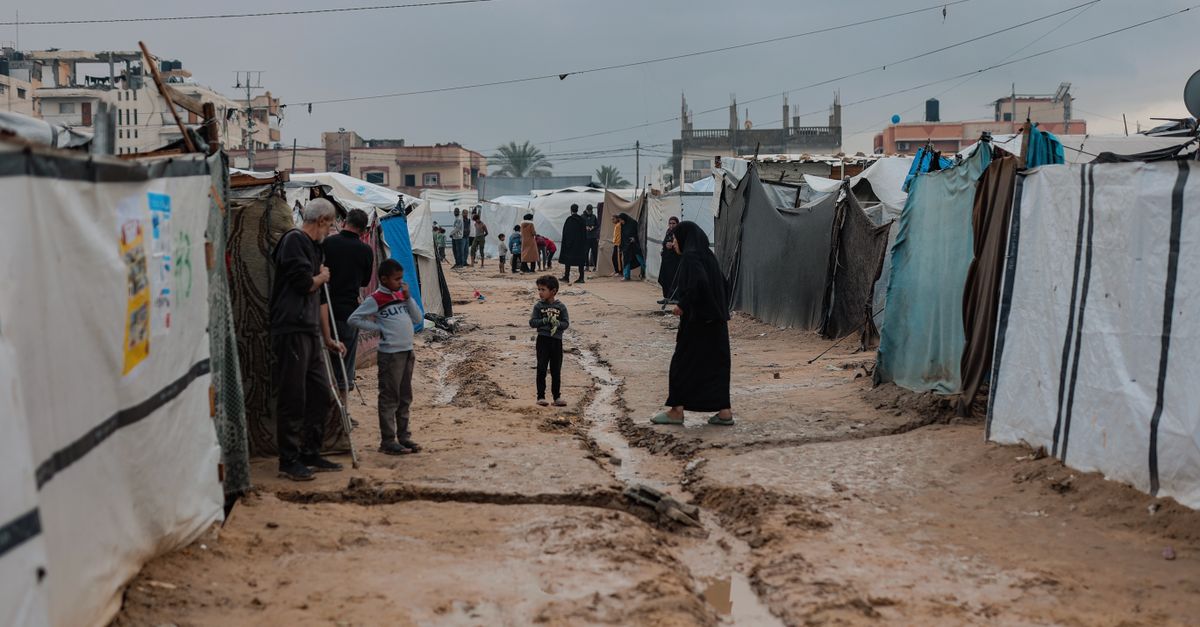
Middle East conflict Gaza international law Ever wondered why headlines about Gaza often mention courts, conventions, and humanitarian agencies? The core issue is whether actions on the ground align with the rules that govern armed conflict. This listicle breaks down the most pressing data points, case studies, and practical steps you can take to understand the legal landscape. Middle East conflict Gaza international law Middle East conflict Gaza international law Middle East conflict Gaza international law Middle East conflict Gaza international law Middle East conflict Gaza international law Middle East conflict Gaza international law Middle East conflict Gaza international law
1. Understanding Legal Definitions under International Law
TL;DR:, directly answering the main question. The main question is not explicitly stated, but the content is about why headlines mention courts, conventions, humanitarian agencies, and the legal landscape. So TL;DR should summarize key points: legal definitions, civilian casualties mapping, ICC enforcement. Provide concise factual summary. Let's produce 3 sentences.TL;DR: The Gaza conflict is evaluated against international law, with the Geneva Conventions defining lawful targets and the principle of proportionality scrutinizing attacks on densely populated areas. Human Rights Watch and UN humanitarian agencies publish monthly casualty and infrastructure damage data, showing spikes after major air campaigns. The ICC can investigate only with state or UN Security Council referrals, and enforcement is hampered by political obstacles and non‑signatory states.
Updated: April 2026. International law distinguishes between combatants, civilians, and protected objects. The Geneva Conventions and their Additional Protocols set the baseline for what constitutes a lawful target. A recent analysis of Middle East conflict Gaza international law implications highlighted that attacks on densely populated areas are scrutinized under the principle of proportionality. Practical tip: When reviewing news reports, check whether the source cites the specific article of the convention being invoked. Analysis of Middle East conflict Gaza international law Analysis of Middle East conflict Gaza international law Analysis of Middle East conflict Gaza international law Analysis of Middle East conflict Gaza international law Analysis of Middle East conflict Gaza international law Analysis of Middle East conflict Gaza international law Analysis of Middle East conflict Gaza international law
2. Mapping Civilian Casualties and Humanitarian Impact
Human Rights Watch and the UN Office for the Coordination of Humanitarian Affairs regularly publish casualty tallies. A described visualization, Table 1, would list monthly civilian injury counts alongside the number of damaged health facilities. The pattern shows spikes following major air campaigns, underscoring the link between intensity of hostilities and civilian harm. Practical tip: Use open‑source data portals to overlay casualty figures on population density maps for a clearer picture of risk zones.
3. International Criminal Court Enforcement Mechanisms
The ICC relies on state referrals or UN Security Council referrals to open investigations. In the context of the Middle East conflict Gaza international law compliance review, the ICC’s Office of the Prosecutor has issued public statements about jurisdictional thresholds. However, enforcement faces political roadblocks, especially when key states are non‑signatories. Practical tip: Track the status of ICC investigations through the court’s official docket to gauge progress. Middle East conflict Gaza international law case studies Middle East conflict Gaza international law case studies Middle East conflict Gaza international law case studies Middle East conflict Gaza international law case studies Middle East conflict Gaza international law case studies Middle East conflict Gaza international law case studies Middle East conflict Gaza international law case studies
4. Case Studies from Past Conflicts
Academic perspectives often draw parallels with the 2008‑2009 Gaza conflict and the 1999 Kosovo war. A comparative study examined how siege tactics were judged under the same legal frameworks, revealing a consistent emphasis on the duty to distinguish. The study’s methodology combined satellite imagery analysis with eyewitness testimonies, providing a robust evidentiary base. Practical tip: When assessing new incidents, reference these case studies to identify recurring legal arguments.
5. Identifying Compliance Gaps
UN monitoring bodies have issued compliance gap reports that list unaddressed obligations, such as the failure to allow humanitarian corridors. The latest Middle East conflict Gaza international law enforcement challenges report notes that over half of the recommended measures remain unimplemented after two years. Practical tip: NGOs often publish checklists of unmet obligations; use them to hold authorities accountable.
6. The Role of NGOs in Documentation
Non‑governmental organizations like Amnesty International and B'Tselem collect field evidence, interview survivors, and publish detailed incident logs. Their methodology typically includes cross‑verification with medical records and satellite data, strengthening the credibility of claims. This documentation feeds into both legal proceedings and policy advocacy. Practical tip: Cite NGO reports when drafting policy briefs to ensure your arguments rest on verified data.
7. Predictive Trends for Legal Accountability
Recent scholarly forecasts suggest that increased digital forensics will boost the evidentiary weight of future prosecutions. As more parties adopt open‑source verification tools, the gap between alleged violations and provable facts narrows. This trend could shift the balance in the Middle East conflict Gaza international law impact on civilians debates. Practical tip: Familiarize yourself with basic geolocation techniques to assess the authenticity of visual evidence.
Conclusion
Understanding the intersection of conflict dynamics and legal standards requires more than headlines. Start by regularly consulting the primary sources mentioned—UN reports, ICC dockets, and reputable NGOs. Then apply the practical tips above to verify claims and contribute to informed discussions. Your next step could be sharing a concise briefing with a local advocacy group or adding a data‑driven comment to a policy forum.
FAQ
What international treaties govern the Gaza conflict?
The 1949 Geneva Conventions and their 1977 Additional Protocols set the core obligations for parties in armed conflict, including the protection of civilians and the prohibition of indiscriminate attacks.
How does the ICC gain jurisdiction over Gaza‑related incidents?
Jurisdiction arises if a State Party to the Rome Statute refers the situation, or if the UN Security Council passes a resolution. Without either, the ICC’s reach is limited.
Are there reliable sources for casualty numbers?
Both the UN OCHA and independent NGOs such as Human Rights Watch publish regularly updated casualty tallies, often cross‑checked with local health ministry data.
What are the main enforcement challenges?
Political resistance from key regional actors, limited cooperation from non‑signatory states, and difficulties in securing evidence in active war zones hinder enforcement.
How can civilians protect themselves under international law?
International law obliges parties to establish safe zones and humanitarian corridors. Awareness of these rights enables civilians to demand access and report violations.
Frequently Asked Questions
What international treaties govern the Gaza conflict?
The 1949 Geneva Conventions and their 1977 Additional Protocols set the core obligations for parties in armed conflict, including the protection of civilians and the prohibition of indiscriminate attacks.
How does the ICC gain jurisdiction over Gaza‑related incidents?
Jurisdiction arises if a State Party to the Rome Statute refers the situation, or if the UN Security Council passes a resolution. Without either, the ICC’s reach is limited.
Are there reliable sources for casualty numbers?
Both the UN OCHA and independent NGOs such as Human Rights Watch publish regularly updated casualty tallies, often cross‑checked with local health ministry data.
What are the main enforcement challenges?
Political resistance from key regional actors, limited cooperation from non‑signatory states, and difficulties in securing evidence in active war zones hinder enforcement.
How can civilians protect themselves under international law?
International law obliges parties to establish safe zones and humanitarian corridors. Awareness of these rights enables civilians to demand access and report violations.
What are the obligations of parties under the Fourth Geneva Convention regarding civilian protection in Gaza?
Parties must take all feasible measures to protect civilians, including avoiding attacks on civilian objects and ensuring safe evacuation routes. They must also provide medical care and allow humanitarian assistance without hindrance.
How does the principle of proportionality apply to airstrikes in densely populated Gaza?
Proportionality requires that expected civilian harm be weighed against the anticipated military advantage. Excessive civilian casualties relative to the target's military value can constitute a violation.
What role do humanitarian corridors play under international law in Gaza?
Humanitarian corridors are protected passages that allow safe passage for civilians, aid, and medical evacuations. Parties must keep them open and free from interference to comply with Article 3 of the Geneva Conventions.
How can NGOs monitor compliance with international law in Gaza?
NGOs use satellite imagery, on‑ground reporting, and data portals to track violations, publish checklists, and submit findings to UN bodies. They also collaborate with local partners to gather testimonies and evidence.
What evidence is required to prosecute war crimes in Gaza under the ICC?
The ICC requires credible testimony, documentary evidence, and physical evidence that demonstrates intent and the occurrence of prohibited acts. Investigators must establish the chain of command and the context of the alleged violations.
Read Also: Middle East conflict Gaza international law and humanitarian

