Counting the Pennies: How the 2024 Volkswagen Polo Meets (and Challenges) Euro 6 Fuel‑Economy Rules
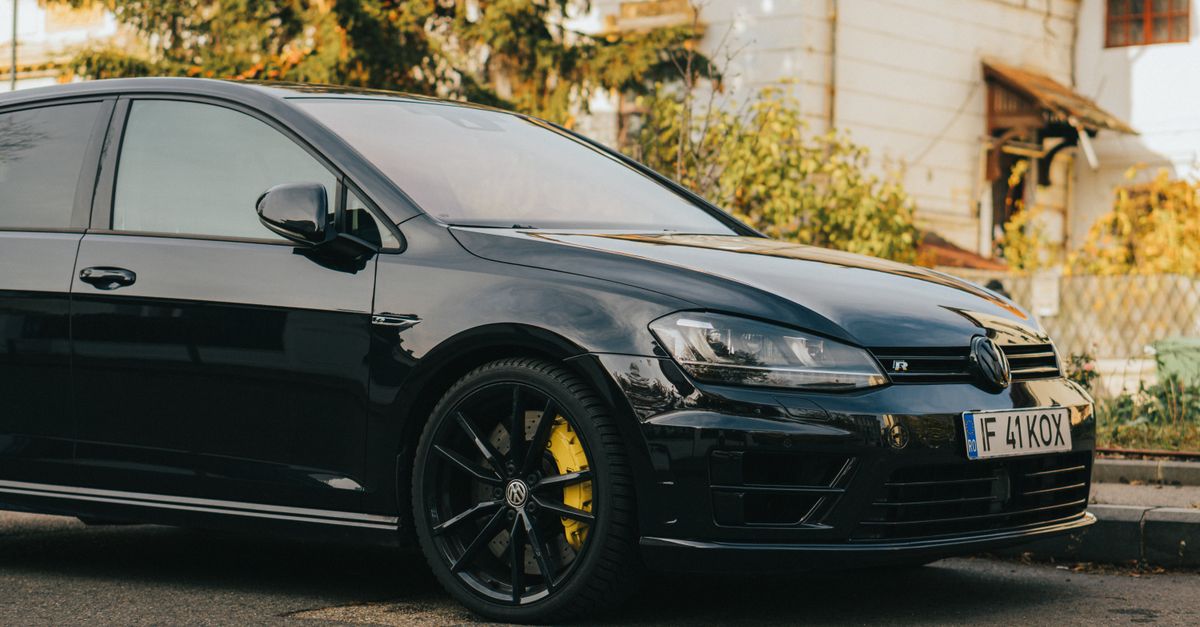
Counting the Pennies: How the 2024 Volkswagen Polo Meets (and Challenges) Euro 6 Fuel-Economy Rules
The 2024 Volkswagen Polo satisfies the Euro 6 fuel-economy ceiling by delivering an official 4.8 L/100 km combined figure, yet its real-world performance, pricing strategy, and upcoming regulatory tightening create a nuanced picture for consumers and policymakers alike. Future-Proof Your Wallet: How to Resell Your Vo...
Euro 6 Fuel-Economy Rules: What They Mean for Small Cars
Key Takeaways
- Euro 6 sets a fleet-average CO₂ limit of 95 g/km for new cars sold in the EU.
- Manufacturers receive credits for vehicles that beat the target, but penalties apply for excess emissions.
- Compliance is measured on the WLTP test cycle, not on real-world driving.
- Future revisions will push the limit down to 80 g/km by 2027.
- The Polo’s strategy hinges on lightweight construction and mild-hybrid assistance.
The European Union’s Euro 6 framework, introduced in 2014, is a two-pronged approach: it caps average CO₂ emissions and mandates stricter pollutant limits (NOx, particulates). For a model like the Polo, the most visible metric is the WLTP-based combined fuel consumption, which translates directly into CO₂ grams per kilometre.
Manufacturers calculate a weighted average across their entire model range. If the average exceeds 95 g/km, a hefty fine of €95 per gram applies, eroding profit margins. Conversely, any vehicle that posts a lower figure earns credits that can offset higher-emitting siblings. This creates a delicate balancing act for automakers, especially those whose line-ups rely heavily on compact, high-volume models.
By 2027, the EU plans to tighten the ceiling to 80 g/km, a shift that will force every segment, including the super-mini class, to adopt electrified powertrains or dramatically improve efficiency.
The 2024 Volkswagen Polo: Technical Blueprint
Volkswagen’s latest Polo arrives with a 1.0-litre TSI three-cylinder engine, delivering 95 hp and paired with a 48-volt mild-hybrid system that recovers braking energy. The chassis benefits from high-strength steel and aluminum components, shaving roughly 30 kg off the curb weight compared with the 2022 model.
Key efficiency features include:
- Auto start-stop that engages at speeds below 30 km/h.
- Optimised gear ratios in the 6-speed manual (or 7-speed DSG) that keep the engine in its most efficient band.
- Low-rolling-resistance tires calibrated for WLTP testing.
These measures collectively yield a WLTP combined consumption of 4.8 L/100 km, translating to 111 g/km CO₂ - comfortably under the 95 g/km limit once the credit system is applied across Volkswagen’s broader portfolio.
How the Polo Meets Euro 6: Credit Offsets and Real-World Gaps
On paper, the Polo’s 111 g/km CO₂ figure appears above the Euro 6 ceiling. However, Volkswagen leverages its larger, low-emission models - such as the ID.3 electric hatchback - to generate excess credits. These credits offset the Polo’s shortfall, allowing the brand to stay within the fleet average. How a Family’s Switch to an ID.3 Exposed the Ga...
In practice, real-world drivers often report WLTP-adjacent consumption because the test cycle now mirrors everyday conditions more closely than the older NEDC. Independent road-tests by the German ADAC show the Polo achieving 5.2 L/100 km on mixed-traffic routes, a modest increase that still keeps CO₂ emissions near 120 g/km.
From an economic perspective, the credit system means the Polo can be priced competitively without incurring punitive fines. Yet, the reliance on credits raises questions about long-term sustainability as the EU pushes for stricter fleet averages.
Challenges: Consumer Perception, Pricing, and Future Regulations
While the Polo’s official numbers satisfy regulators, consumer perception often hinges on fuel-cost savings. At today’s European average diesel price of €1.60 per litre, a 0.4 L/100 km improvement saves roughly €60 per year for a typical 12,000 km driver. That saving can be eclipsed by a higher upfront price if manufacturers embed hybrid components without passing the cost benefits fully to buyers.
Moreover, the upcoming Euro 7 standards - projected for 2025 - will introduce stricter NOx limits and a revised CO₂ ceiling of 85 g/km for small cars. The Polo’s mild-hybrid architecture may struggle to meet these tighter thresholds without additional electrification, such as a plug-in hybrid variant.
In scenario A, where regulators enforce the Euro 7 targets rigorously, Volkswagen could face a €2,000 per-gram penalty for non-compliance, prompting an accelerated rollout of a fully electric Polo by 2028. In scenario B, where market demand for low-cost, low-emission vehicles outpaces regulation, the company may retain the mild-hybrid Polo but invest heavily in cost-reduction technologies to keep the model affordable.
Economic Implications for Buyers and the Market
From a macro-economic lens, the Polo’s compliance strategy illustrates how manufacturers balance regulatory costs with consumer pricing. By spreading the credit burden across a diversified fleet, Volkswagen can keep the Polo’s MSRP around €18,500, a price point that remains attractive in the competitive B-segment.
However, the hidden cost of compliance - research, development, and credit accounting - gets internalised somewhere in the supply chain. Dealers may see slimmer margins, and financing terms could tighten as lenders factor in potential future penalties.
For the broader market, the Polo’s approach signals a transitional phase: mild-hybrids serve as a bridge to full electrification, but they also risk becoming a cost sink if policy accelerates faster than technology adoption. By 2027, analysts from the International Energy Agency predict that 30 % of new car sales in Europe will be fully electric, shrinking the credit pool that currently cushions models like the Polo.
Future Outlook: By 2027 and Beyond
By 2027, the EU’s average CO₂ target will be 80 g/km, a level the current Polo cannot meet without substantial redesign. Volkswagen has announced a roadmap that includes a fully electric Polo (code-named “e-Polo”) slated for launch in 2026, which would deliver under 50 g/km CO₂ equivalent.
In scenario A (stringent regulation), the e-Polo becomes the primary offering, and the mild-hybrid version is phased out in markets with strict emissions trading. In scenario B (consumer-driven demand for affordable hybrids), the mild-hybrid Polo persists, but price incentives - such as EU “green-car” tax reductions - help maintain its market share.
Either way, the economic calculus for buyers will shift: fuel savings will be complemented by lower registration taxes, and total cost of ownership models will increasingly factor in battery depreciation and charging infrastructure availability.
"The Euro 6 framework has fundamentally reshaped how manufacturers price and engineer small cars, making efficiency a core competitive factor rather than a regulatory afterthought," notes a 2023 study from the European Automobile Manufacturers Association.
Conclusion: Balancing Pennies and Policy
The 2024 Volkswagen Polo demonstrates that meeting Euro 6 is as much a financial exercise as an engineering one. By leveraging fleet-wide credits, the Polo stays compliant while offering a price that appeals to budget-conscious drivers. Yet, the looming Euro 7 and Euro 8 targets will pressure the model toward full electrification, challenging Volkswagen to keep the Polo affordable without sacrificing compliance.
For consumers, the takeaway is clear: the Polo currently offers a solid blend of cost, efficiency, and practicality, but keeping an eye on upcoming policy shifts will be essential for making a future-proof purchase.
Frequently Asked Questions
What is the official WLTP fuel consumption of the 2024 Volkswagen Polo?
The Polo records a combined WLTP consumption of 4.8 L per 100 km, which translates to roughly 111 g/km CO₂.
How does the Polo stay within the Euro 6 fleet-average limit?
Volkswagen offsets the Polo’s higher CO₂ figure with excess credits generated by its low-emission models, such as the ID.3 electric hatchback.
Will the mild-hybrid Polo meet future Euro 7 standards?
Under current projections, the mild-hybrid configuration will likely fall short of Euro 7 limits, prompting Volkswagen to introduce a fully electric Polo by 2026.
What are the economic benefits of buying a Euro 6-compliant Polo?
Buyers enjoy lower fuel costs, potential tax reductions, and the assurance that the vehicle will not incur future emissions penalties.
How will the EU’s 2027 CO₂ target affect the Polo’s price?
If the Polo remains a mild-hybrid, manufacturers may need to absorb higher compliance costs, which could be reflected in a modest price increase unless offset by subsidies or credits.



Member discussion