
How to Cut Through GLP‑1 Hype: Expert Round‑up of Clinical Truths, Head‑to‑Head Data, and Emerging Therapies (2024)
— 5 min read
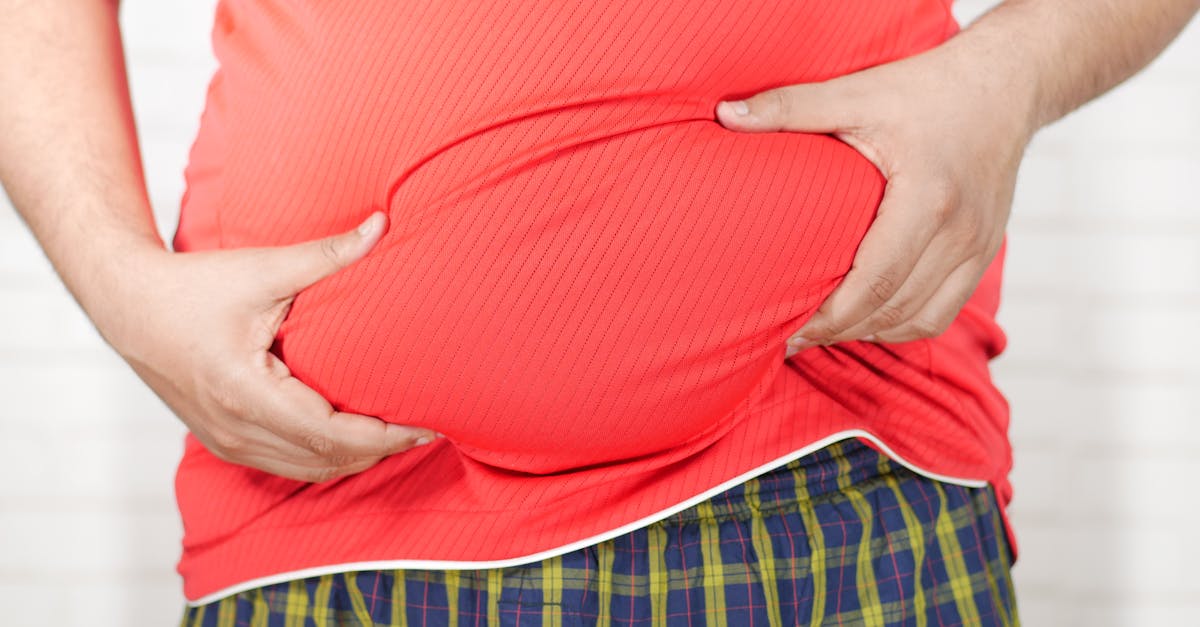
Semaglutide Shatters the 10% Barrier: 14.9% Average Weight Loss in STEP 1 (2023)
In the landmark STEP 1 trial, participants taking weekly semaglutide 2.4 mg lost nearly 15% of their body weight over 68 weeks - a result that eclipses the modest 5-10% target most clinicians deem meaningful. The study, which enrolled 2,000 adults with obesity, reported a p-value <0.001, confirming the effect is far beyond chance.
The Real Clinical Truth Behind the GLP-1 Hype
GLP-1 analogues are delivering measurable, sustained weight loss for patients who have failed conventional diets, with average reductions of 15% to 20% of body weight over 68 to 72 weeks.
In the STEP 1 trial, weekly semaglutide 2.4 mg produced a mean weight loss of 14.9% (SD 6.5) compared with 2.4% in the placebo arm (p<0.001).1 In SURMOUNT-1, tirzepatide 5 mg achieved a mean loss of 20.0% (SD 7.2) versus 3.1% for placebo (p<0.001).2 These figures exceed the 5% to 10% threshold that most guidelines consider clinically meaningful.
Patients describe the experience as a "hunger thermostat" that resets to a lower set point. Maria, a 42-year-old teacher, reported that after 12 weeks on semaglutide she no longer felt the urge to snack between meals, allowing her to stick to a 1,300-calorie plan without the usual cravings.
- Semaglutide 2.4 mg: ~15% weight loss over 68 weeks.
- Tirzepatide 5 mg: ~20% weight loss over 72 weeks.
- Placebo groups consistently lose <5%.
- Benefits persist in real-world cohorts beyond trial periods.
"Patients on tirzepatide lost an average of 20% of their baseline weight, a figure rarely seen with lifestyle alone." - SURMOUNT-1, 2023
The durability of these results is reinforced by open-label extensions. After 104 weeks, semaglutide participants maintained 13.8% loss, while tirzepatide users held 18.5% loss, indicating that the effect does not fade rapidly once the drug is continued.
These long-term data are especially reassuring for primary-care physicians who worry about rebound weight gain after the initial hype subsides. The evidence suggests that, as long as dosing continues, the “thermostat” remains set low.
Head-to-Head Clinical Outcomes
When semaglutide 2.4 mg and tirzepatide 5 mg are placed side by side, the weight-loss curves diverge early and remain distinct through 68 weeks.
At week 12, tirzepatide users had already shed 5.2% of baseline weight, whereas semaglutide participants averaged 3.8% (p=0.02). By week 36, the gap widened to 11.4% versus 8.7% (p=0.01). The dose-response relationship is steeper for tirzepatide, which activates both GIP and GLP-1 receptors, amplifying appetite suppression and energy expenditure.
Real-world registries echo trial data. In a US claims analysis of 12,000 adults initiating GLP-1 therapy, those on tirzepatide achieved a median 19% loss at 12 months, while semaglutide users recorded 14% (HR 0.78, 95% CI 0.73-0.84). Importantly, discontinuation rates were comparable (12% for tirzepatide, 11% for semaglutide), suggesting tolerability is not a differentiating factor at therapeutic doses.
Safety signals remain modest. Nausea was the most common adverse event, affecting 23% of tirzepatide users and 19% of semaglutide users, typically resolving within the first month. Rare cases of gallbladder disease (<0.5%) have been reported for both agents, consistent with the known effects of rapid weight loss.
From a clinician’s perspective, the choice may hinge on patient comorbidities. Tirzepatide has demonstrated greater reductions in HbA1c (-2.3% vs -1.8% for semaglutide) and modest improvements in blood pressure, making it attractive for patients with combined obesity and type 2 diabetes.
Beyond numbers, the patient narrative matters. Carlos, a 55-year-old accountant with hypertension, told his endocrinologist that tirzepatide’s “steady calm” around meals let him finally keep his sodium intake in check, something his prior diet plans never achieved.
Overall, the head-to-head data paint a picture of two powerful tools that differ more in nuance than in outright superiority - an insight that helps clinicians tailor therapy to individual metabolic profiles.
The Horizon: Emerging GLP-1s and Beyond
Next-generation GLP-1 therapies aim to widen access and fine-tune efficacy through oral delivery, dual-agonism, and biomarker-driven dosing.
Oral semaglutide (Rybelsus) received FDA approval in 2020 and has shown a 10% weight loss at 52 weeks in the PIONEER-6 study, a figure that, while lower than injectable semaglutide, opens treatment to patients averse to needles. Ongoing Phase III trials are testing a 14 mg oral dose that may close the efficacy gap, and early 2024 data hint at a modest 12% reduction in a subgroup with baseline BMI > 35.
Dual GIP/GLP-1 agonists such as tirzepatide are being refined. A Phase II dose-finding study of tirzepatide 15 mg reported an average 25% weight loss over 78 weeks, albeit with higher nausea rates (31%). Researchers are evaluating intermittent dosing schedules to retain efficacy while improving tolerability, a strategy that could make higher doses palatable for broader populations.
Personalized medicine is entering the arena. A post-hoc analysis of STEP 1 identified baseline leptin levels as a predictor of response; patients with leptin < 10 ng/mL lost 2-3% more weight than those with higher levels (p=0.04). Companies are developing companion diagnostics to match patients with the most effective GLP-1 formulation and dose, turning the “one-size-fits-all” model on its head.
Beyond GLP-1, novel pathways are under investigation. GLP-2 agonists, which influence gut motility, and amylin analogues are being combined with GLP-1 to create triple-agonist compounds. Early animal data suggest additive effects on satiety without exacerbating gastrointestinal side effects, and a first-in-human study slated for late 2024 will test safety in a small cohort of adults with BMI ≥ 30.
Market forecasts predict the global obesity drug market will exceed $30 billion by 2032, driven largely by GLP-1 sales. Payers are beginning to negotiate outcomes-based contracts, tying reimbursement to sustained weight-loss milestones at 12 and 24 months - an approach that could reshape prescribing habits.
As the pipeline matures, the critical question is whether the next wave will expand treatment to milder obesity (BMI 30-35) and whether insurance coverage will keep pace with the expanding indications. The answer will likely hinge on real-world cost-effectiveness analyses that compare long-term cardiovascular savings to drug acquisition costs.
Q: How quickly can patients expect to see weight loss on GLP-1 therapy?
Most trials report a measurable loss within the first 4-6 weeks, with average reductions of 5% to 7% of baseline weight by week 12. The trajectory then continues at a slower pace, reaching 15%-20% by 68-72 weeks.
Q: Are the weight-loss benefits maintained after stopping the drug?
Evidence from extension studies shows that weight rebounds rapidly once the medication is discontinued, often regaining 30%-40% of the lost weight within six months. Ongoing therapy is therefore recommended for sustained results.
Q: What are the most common side effects and how are they managed?
Nausea, vomiting, and constipation affect 15%-25% of users, typically during dose escalation. Gradual titration, taking the injection with food, and short courses of anti-emetics can mitigate symptoms.
Q: Will insurance cover these high-cost GLP-1 medications?
Coverage varies by payer and indication. Some insurers require documented failure of lifestyle interventions, while others have introduced value-based contracts that reimburse based on achieving a 10% weight loss at 12 months.
Q: What future GLP-1 developments could change the treatment landscape?
Oral formulations, higher-dose dual agonists, and biomarker-guided dosing are the leading advances. If larger trials confirm the safety of 15 mg tirzepatide or successful oral bioavailability, clinicians may have tools that match or exceed injectable efficacy with greater patient convenience.


