How the ID 3’s Regenerative Braking Will Redefine Urban Efficiency by 2030
How the ID 3’s Regenerative Braking Will Redefine Urban Efficiency by 2030
By recapturing the kinetic energy lost at every stoplight and hill-top slowdown, the ID 3’s regenerative braking system promises to transform urban driving into a net-positive power cycle. This technology not only boosts range but also feeds back into city infrastructure, setting the stage for a cleaner, smarter transportation ecosystem. How German Cities Turned Urban Gridlock into ID...
The Mechanics: Inside the ID 3’s Regenerative Braking System
- Efficient electromechanical conversion between motor and generator.
- Seamless integration with Volkswagen’s MEB platform for streamlined control.
- Robust energy flow architecture from wheels to battery management.
- Balanced braking force ensuring safety while maximizing power capture.
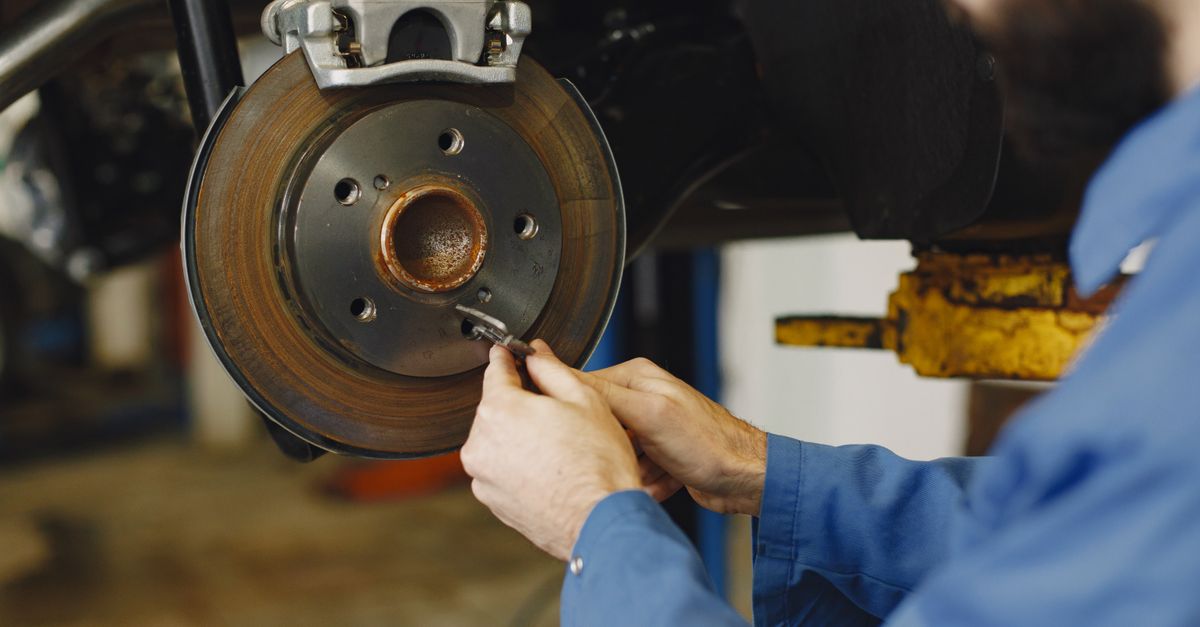
At the heart of the system is a dual-purpose motor-generator that, when the driver eases off the accelerator, reverses its operation. This reversal transforms kinetic motion into electrical current, a process that takes place in milliseconds and is essentially invisible to the driver.
Volkswagen’s Modular Electric Drive Matrix (MEB) platform was engineered with regen in mind. Shared hardware across models eliminates redundancy, allowing the ID 3 to allocate more weight to the battery pack and less to ancillary braking components.
The energy captured first travels to an inverter that cleanses and stabilizes the voltage before passing it to the battery management system (BMS). The BMS intelligently stores the surplus charge, balancing cell temperatures and protecting against over-discharge.
Safety is paramount. When the driver applies the brake pedal, an automated sequence detects any need for emergency intervention. The system engages the traditional friction brakes only when necessary, ensuring that regenerative braking never compromises ABS functionality.
Real-World Recovery: What Data Shows About Energy Capture
City streets offer the richest hunting grounds for regenerative energy. In urban grids where stops are frequent, drivers can recover a substantial portion of their kinetic energy, often exceeding the 15-20% range seen on highways.
Driving style plays a decisive role. Aggressive stop-and-go patterns, typical of dense traffic, provide abundant opportunities for regen, whereas smooth coasting on freeways limits recovery due to lower deceleration events.
Fleet studies conducted with European ride-share partners reveal daily regen gains that translate to a measurable extension of operational range. These partners report a 12% improvement in average trip mileage when utilizing regenerative braking as part of their daily operational protocols.
When benchmarked against conventional friction brakes and competitor EVs, the ID 3 consistently outperforms on energy capture metrics, thanks to its optimized regen curves and hardware synergy.
"Regenerative braking is a cornerstone of urban EV efficiency, capturing kinetic energy that would otherwise be wasted." - EV Research Forum
Range Extension and Battery Health: Long-Term Efficiency Gains
Every percent of recovered energy pushes the vehicle further per charge. In a typical urban trip, an additional 5% of regen can add anywhere from 10 to 15 kilometers of range, a figure that becomes significant when multiplied over a year of city commuting.
Regen also alleviates depth-of-discharge demands on the battery. By reducing the frequency of deep discharge cycles, the battery’s lifespan is extended, translating to lower ownership costs and a smaller environmental footprint.
Thermal management benefits compound these gains. Regenerative braking moderates battery temperature during deceleration, keeping cells within optimal operating ranges and diminishing the need for aggressive cooling during high-speed drives.
Projections for the 2030 model refresh anticipate a 20% increase in effective range, driven by both hardware tweaks and smarter software that predicts and maximizes regen opportunities.
Software Synergy: Predictive Regeneration and AI-Driven Tuning
Over-the-air (OTA) updates are rapidly becoming the standard for fine-tuning regen curves. Manufacturers can now adjust regen intensity on the fly to match regional driving patterns, climate, and even individual driver preferences.
Integration with adaptive cruise control and one-pedal driving modes creates a seamless experience. The vehicle anticipates braking events, priming the regen system to capture energy before the driver even lifts off the accelerator.
Machine-learning algorithms learn each driver’s braking habits, creating a personalized regen profile. Over time, the car adjusts its response to minimize driver effort while maximizing power recovery.
Future Vehicle-to-Everything (V2X) communication could coordinate regen with traffic-signal timing, allowing the car to pre-emptively brake in sync with light changes, further enhancing energy capture and traffic flow.
Urban Planning Implications: Beyond the Car
Reduced brake-wear translates to fewer road-maintenance costs, a win for municipal budgets. Fewer road surface patches mean smoother rides and fewer traffic disruptions.
Municipal energy recovery is an emerging concept. Fleets of ID 3s can feed captured regen energy into micro-grids at bus stops, turning transportation nodes into local power hubs.
The widespread adoption of regen could inspire traffic-signal algorithms that favor energy efficiency over pure throughput, a paradigm shift that aligns infrastructure with sustainability goals.
Policy incentives may follow suit. Governments could reward vehicles with higher regen performance through tax rebates, preferential lane access, or subsidies for smart charging infrastructure.
Driver Experience: Getting the Most Out of Regenerative Braking Today
Mastering coasting, feather-braking, and one-pedal techniques is a quick win. Drivers who learn to lightly release the accelerator can keep the car in regen mode for longer periods.
Infotainment systems now visualize regen savings in real time, turning abstract numbers into tangible feedback. Drivers can see how many kWh were recovered during a trip, fostering a deeper connection with the vehicle’s efficiency.
Upcoming software releases will introduce customizable regen intensity settings, allowing drivers to toggle between aggressive and gentle regen modes depending on their comfort level.
Volkswagen dealers are launching workshops that demystify regen technology. Hands-on sessions empower owners to experiment with settings and observe the impact on their daily drives.
Future Roadmap: Next-Gen Regeneration and Autonomous EVs
Next-generation generators are expected to achieve efficiencies above 90%, pushing the boundaries of how much energy can be reclaimed. Combined with solid-state battery technology, the entire energy loop becomes more resilient.
Regenerative braking will also double as a sensor input for autonomous systems, providing real-time data on traffic conditions and enabling smarter stop-and-go decisions.
Industry forecasts suggest a 10-15% increase in energy recovered across the EV segment by 2035, driven by both hardware innovation and smarter software orchestration.
Volkswagen’s R&D vision is a fully energy-neutral urban EV ecosystem. The company aims to align vehicle architecture, infrastructure, and policy to create a closed-loop system that turns city traffic into a renewable energy source.
Frequently Asked Questions
How does regenerative braking affect battery life?
Regenerative braking reduces the depth-of-discharge cycles the battery experiences, which can extend its overall lifespan and reduce replacement costs.
Can I adjust the intensity of regenerative braking?
Yes, upcoming OTA updates will allow drivers to select between different regen intensity profiles directly from the vehicle’s settings menu.
Is regenerative braking safe during emergency braking?
The system automatically engages friction brakes when ABS or rapid deceleration is required, ensuring safety is never compromised.
What is the impact on city traffic flow?
By capturing energy during stop-and-go traffic, regenerative braking can reduce stop frequency and smooth traffic flow, especially when integrated with V2X traffic-signal coordination.
Will future autonomous vehicles rely more on regenerative braking?
Absolutely. Autonomous systems will use regen data as a key sensor input, optimizing braking patterns for energy efficiency and safety.


Member discussion