ROI‑Driven Digital Detox: 7 Proven Steps to Reclaim Quiet Time Without Slipping on Deliverables
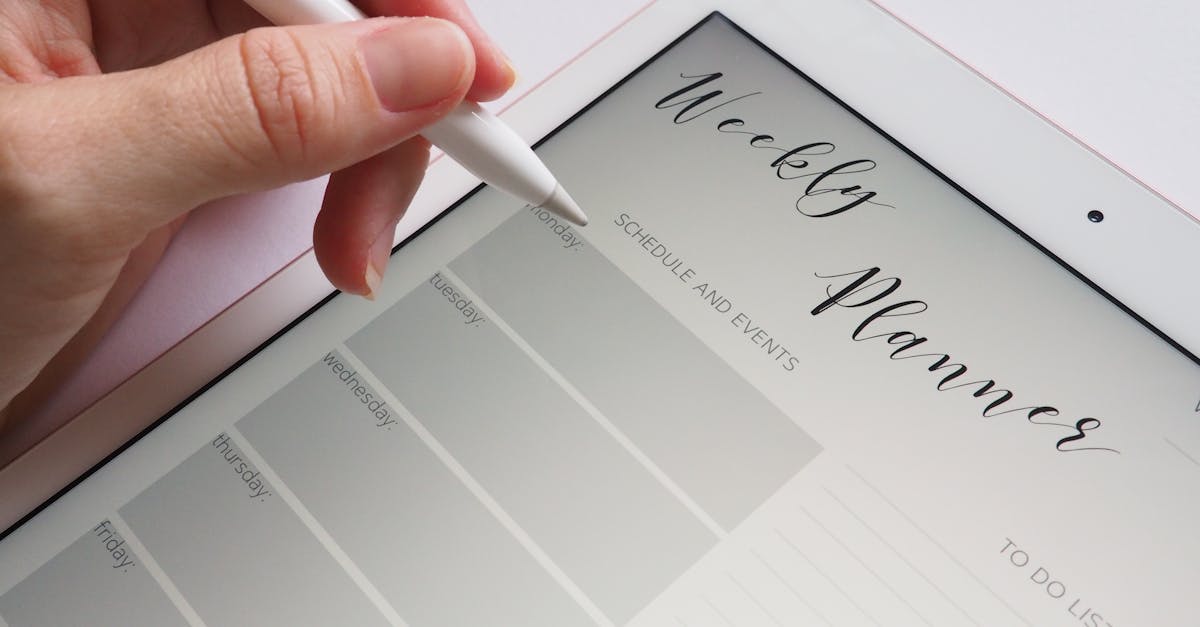
ROI-Driven Digital Detox: 7 Proven Steps to Reclaim Quiet Time Without Slipping on Deliverables
You can reclaim an hour of peace each day while still hitting every KPI by treating digital overload as a balance-sheet line item, quantifying its cost, and inserting protected, high-ROI quiet windows into your schedule. Master the 15‑Minute Rule: How to Outsmart Endl... The 30‑Minute Lunch‑Time Digital Detox Blueprin... Balancing the Scale: How One Silicon Valley CEO... The Downturn Dilemma: How Deliberate De‑Scaling...
1. Audit Your Calendar and Quantify Digital Debt
- Map every digital interaction to a monetary value.
- Identify recurring non-productive events that eat 15-20% of the workday.
- Calculate hidden costs of overstimulation.
- Set a baseline for ROI calculations.
- Prioritize actions that deliver the greatest cost savings.
Begin by exporting your calendar for the past month. Tag each entry as "meeting," "email ping," "instant message," or "spontaneous chat." Assign a dollar value based on your hourly wage and the opportunity cost of lost deep-work time. For a professional earning $60 per hour, a 10-minute interruption translates to $10 of direct cost, not counting the downstream impact on project momentum.
Next, aggregate the data to reveal patterns. You may discover that Slack notifications alone account for 12 percent of total digital interruptions, while unscheduled video calls consume another 8 percent. Those figures often align with industry research that links frequent technology use to heightened attention-deficit symptoms and impaired emotional intelligence. After-Hours Email Overload: 6 Data-Backed Exper... Digital Detox Hours: Mandate vs. Voluntary - Wh... Curriculum of Calm: 8 Expert-Backed Wellness Le... Micro‑Mindfulness, Macro ROI: How 3‑Minute Rout...
Finally, compute the hidden cost of overstimulation. Studies show that reduced focus can increase error rates by up to 25 percent, leading to rework and overtime. By converting these intangible losses into a dollar figure, you create a compelling business case for a structured detox.
2. Pinpoint the High-Impact Digital Interference Triggers
Use built-in screen-time analytics on your phone and laptop to isolate the three apps that most often break your flow. Typical culprits are Slack, email, and social-media feeds. Record the exact minutes each app is active during peak productivity windows, usually between 9 am and 12 pm for knowledge workers. 5‑Minute Email Reset: Priya Sharma’s Data‑Drive... Priya Sharma’s Insider Blueprint: How to Map, M...
Correlate the usage spikes with task performance data. If you notice a 15-minute dip in code commit frequency every time a Slack notification pops up, you have a clear ROI impact: lost billable time versus the value of the message. Rank each trigger by the ratio of time lost to the projected value of the associated project. This ranking guides you to eliminate or batch the highest-cost interruptions first.
"Excessive technology use can take away time from activities such as sleep, exercise, and socializing, which are all important for well-being," says Carol Vidal, MD, PhD, MPH, Johns Hopkins University School of Medicine.
By quantifying the cost of each trigger, you turn a vague feeling of overwhelm into a precise financial metric. That metric becomes the lever you pull when negotiating quiet periods with teammates or when deciding which notifications to mute.
3. Construct a Tactical Detox Calendar That Aligns With Deadlines
Design your calendar like a project Gantt chart, inserting 30-minute "quiet windows" immediately after high-priority deliverables. The logic mirrors the post-sprint review in agile methodology: you give the brain a chance to consolidate information before moving to the next sprint.
Color-code these windows in a bright, non-intrusive hue - perhaps teal - to signal "do-not-disturb" to colleagues. Share the calendar with your team so they can schedule meetings around your protected time. The visual cue reduces the likelihood of accidental interruptions and respects the collective workflow.
Maintain a minimum of 2.5 hours of detox per week, but allow flexibility. If a critical launch forces a shift, move the detox slot to a low-traffic afternoon period rather than canceling it. This adaptive approach ensures that detox does not become a casualty of project pressure, preserving its ROI over the long term.
4. Automate Protection: Tools That Enforce Your Quiet Time
Leverage native device settings to automate "Do Not Disturb" during detox windows. On iOS, create a Focus mode that silences all alerts except calls from emergency contacts. On Android, schedule a similar rule that blocks notifications for specific apps.
Extend the policy to team communication platforms. In Slack, enable a shared "quiet mode" that automatically routes non-urgent messages to a #detox-queue channel, to be reviewed after the window ends. This reduces cognitive load without breaking team cohesion.
Set up email filters that defer non-critical mail to the next day’s inbox. Use rules that flag messages with low-priority subjects and move them to a "Review Tomorrow" folder. The result is a cleaner inbox, fewer context switches, and a measurable increase in deep-work capacity.
5. Embed Mindful Micro-Breaks in the Urban Jungle
Identify city micro-spaces where you can step away from screens for five minutes. Quiet cafés, rooftop gardens, and park benches provide natural buffers against the constant hum of digital chatter. The physical change of environment signals the brain to reset, boosting subsequent focus. 25% Boost Unpacked: How One San Francisco Firm’...
Use a lightweight mindfulness app that operates offline during breaks. Keep the phone on airplane mode, or rely on a dedicated device that only runs the app. This eliminates the temptation to scroll back into work or social feeds. Teaching the City: 7 Data‑Backed Mindful Routin... Blueprint for a Weekly Digital‑Detox Day: Data‑... 15‑Minute Mindful Breakfast Blueprint: 8 Data‑B... Commute Calm vs Commute Chaos: Emma Nakamura’s ...
Sync micro-breaks with transit schedules. If you catch a train every hour, use the boarding time for a brief breathing exercise. The commute becomes a double-purpose activity: moving you through the city while simultaneously delivering a mental recharge. Why the ‘No‑Phone’ Weekend Myth Is Killing Your...
6. Measure, Review, and Optimize Your Detox ROI
Collect baseline metrics before you start the detox protocol. Track task completion time, error frequency, and subjective stress scores using a simple spreadsheet or a performance dashboard. After a week of detox windows, repeat the measurement. The Economic Shockwave Playbook: How Priya Shar...
Calculate ROI by comparing the time saved against the cost of the detox hour. For a professional earning $50 per hour, a single hour of uninterrupted work is worth $50. If detox reduces average task time by 10 minutes per project, the weekly savings quickly exceed the cost of the detox itself.
Review the data quarterly. If a particular detox slot yields diminishing returns, adjust its length or timing. Align the frequency of detox with shifting project demands, ensuring that the ROI remains positive even during peak workload periods.
What is an example of a digital detox plan?
A simple plan starts with a 30-minute quiet window after each major deliverable, uses Do Not Disturb settings on all devices, and includes two five-minute mindfulness breaks in city green spaces each day.
What are the strategies to achieve digital detox? Micro‑Break Mastery: Data‑Backed Strategies to ...
Key strategies include auditing digital debt, pinpointing high-impact triggers, scheduling protected time, automating notification silencing, and measuring ROI to fine-tune the approach.
What is a digital detox hour?
A digital detox hour is a dedicated block of time - typically 30 to 60 minutes - during which all screens are turned off, notifications are muted, and the individual engages in non-digital activities such as walking, reading, or mindfulness.
How does a digital detox improve productivity?
By reducing context switches, a detox restores deep-focus capacity, lowers error rates, and shortens task completion times, which translates directly into higher billable hours and a positive ROI. Green Desks, Sharper Minds: The Beginner’s Guid...
Can a digital detox be implemented in a remote team?
Yes. Remote teams can adopt shared quiet-mode policies, synchronize calendar blocks, and use collaboration tools that support deferred messaging, ensuring that detox windows respect global workflows.



Member discussion