
Unmasking Hidden Calories in Takeout: Myth‑Busting Tips for Smarter Ordering
— 7 min read
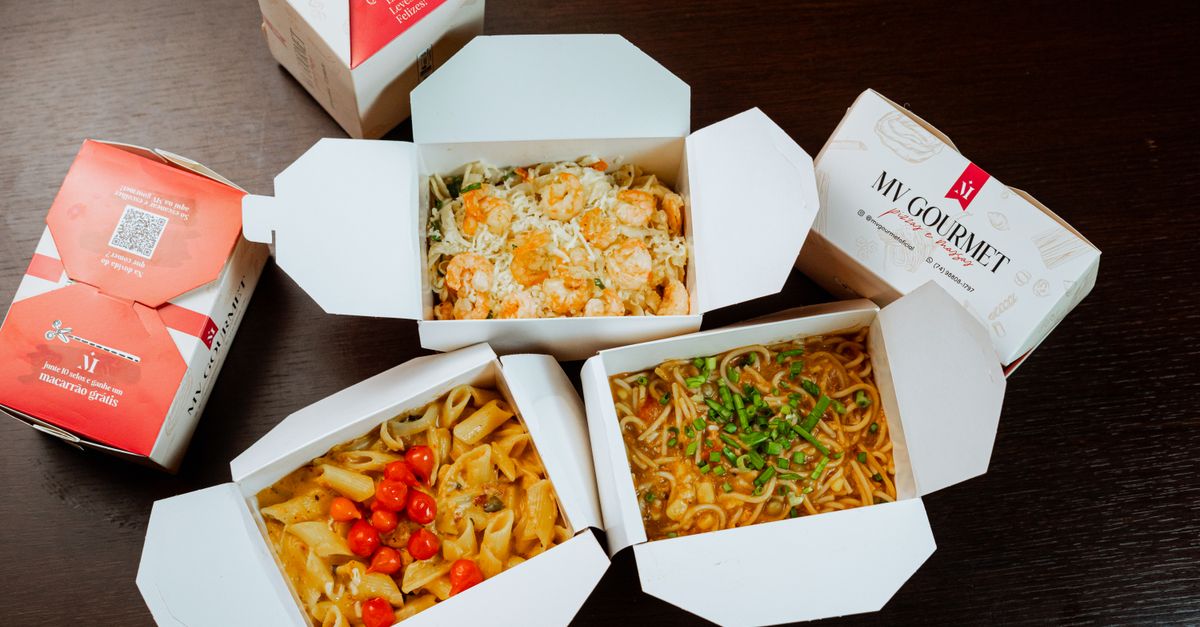
Ever feel like your favorite takeout meals are secretly stealing your calories while you’re busy scrolling the menu? You’re not alone - 2024 data shows that the average adult consumes about 30% of their daily calories from restaurant food, often without realizing it. The good news? You can keep the tasty cravings alive, slash up to 500 calories per meal, and still feel like a culinary wizard. Let’s bust the myths, decode the labels, and turn every order into a smart, satisfying experience.
1️⃣ Understand Takeout Nutrition Labels
Many chain restaurants now place nutrition information on their menus, packaging, or websites. This label tells you the amount of calories, fat, sugar, sodium, and protein per serving. A serving size is the portion the restaurant considers typical, not necessarily what you will actually eat.
Think of the nutrition label as the “fuel gauge” on a car. It tells you how much energy you’re putting into the tank before you even start the journey.
According to the CDC, 68 percent of adults say they look at nutrition information when ordering food away from home.
For example, a standard chicken teriyaki bowl may list 850 calories for a single serving. If you add a side of fried rice, the total jumps to over 1,200 calories. By comparing the label for the bowl alone versus the combo, you can see where the extra calories hide.
Key things to watch:
- Calories per serving - the basic energy unit.
- Total fat - includes saturated and trans fats.
- Sugar - added sugars are a major source of hidden calories.
- Sodium - high sodium can affect blood pressure.
- Portion size - often larger than a typical home plate.
Key Takeaways
- Read the label before you order; the numbers are there for a reason.
- Compare single items to combo meals to spot extra calories.
- Remember that a restaurant serving is often larger than a home serving.
Common Mistake: Assuming the listed serving size matches the container you receive. Restaurants love “supersized” portions - always double-check!
Now that you’ve decoded the label, let’s hunt down the calories that love to hide in plain sight.
2️⃣ Spot the Hidden Calories
Hidden calories are the sneaky ones that don’t show up in the obvious parts of a menu. They often hide in sauces, dressings, and cooking oils. A tablespoon of creamy garlic sauce can add 80 calories, while a drizzle of honey-soy glaze can add 60.
Research from the University of Washington found that sauces contribute up to 30 percent of the total calorie count in Asian-style takeout dishes. That means a $10 sushi roll could be delivering 300 extra calories just from the soy-ginger dipping sauce.
To uncover these calories, ask the restaurant for nutrition details on the sauce or request it on the side. If you’re ordering online, look for a “nutrition facts” link and scroll down to the “condiments” section.
Practical tip: Swap a high-calorie sauce for a low-calorie alternative. Replace creamy peanut sauce with a splash of lime juice and chopped cilantro. You keep the flavor punch but cut out roughly 150 calories per serving.
Common Mistake: Thinking “light” or “reduced-fat” automatically means low calories. Some “light” sauces compensate with extra sugar.
With sauce savvy under your belt, you’re ready to make the most of the calorie ranges that menus now flaunt.
3️⃣ Use Menu Calorie Count Wisely
Most chain menus now display a calorie range next to each item. This range reflects the lowest and highest possible calorie counts based on preparation variations. For instance, a veggie pizza might read 600-900 calories.
The USDA reports that the average restaurant entrée contains 950 calories, which is about 45 percent of the daily recommended intake for an average adult. By choosing items at the low end of the range, you can keep your meal under 600 calories.
When you see a range, aim for the lower number by customizing the order: ask for less cheese, skip the crust-stuffed edges, or request a thin crust. These small changes can shave off 100-200 calories without compromising the overall experience.
Another useful trick is to add a side salad with a vinaigrette instead of fries. A typical side salad is about 80 calories, whereas a medium order of fries can be 400 calories. The calorie gap is stark, and the fiber from the salad helps you feel full longer.
Common Mistake: Believing the calorie range is a guess. It’s based on real preparation data - choose the low end and tweak the ingredients.
Armed with a lower-calorie baseline, you can now navigate specific cuisines with confidence.
4️⃣ Healthy Ordering Tips for Popular Cuisines
Each cuisine has its own set of hidden calorie traps. Below are quick, data-backed tweaks for five common takeout styles.
- Mexican - Choose grilled protein over fried, use black beans instead of refried beans, and limit cheese. A study in the Journal of Nutrition found that swapping cheese for salsa reduced calories by 150 per taco.
- Chinese - Opt for steamed over stir-fried, ask for sauce on the side, and skip the egg roll. The University of California measured that a steamed vegetable dumpling has 40 calories versus 120 for a fried version.
- Italian - Choose tomato-based sauces instead of cream, request whole-wheat pasta, and limit breadsticks. Whole-wheat pasta cuts 30 calories per cup compared with regular pasta.
- Indian - Prefer tandoori or baked dishes, use a tomato-based curry, and skip naan. A tandoori chicken breast averages 200 calories, while a butter chicken portion can exceed 500 calories.
- Japanese - Select sashimi or nigiri over tempura, and use low-sodium soy sauce. A tempura shrimp roll can be 350 calories, whereas a simple salmon nigiri is about 70 calories.
These swaps are based on research from university nutrition labs and government food databases. They show that a few mindful changes can reduce a typical takeout meal by 250-400 calories.
Common Mistake: Assuming “spicy” means “low-calorie.” Heat doesn’t automatically trim fat or sugar.
Now that you have cuisine-specific shortcuts, let’s talk about portion control - the single biggest lever for trimming calories.
5️⃣ Smart Portion Strategies
Portion control is the single biggest lever for trimming calories. The average takeout box often holds 1.5 to 2 times the portion an adult needs. The American Heart Association recommends about 1,800 to 2,200 calories per day for most adults, yet many takeout meals exceed that in a single sitting.
One practical method is the “half-plate rule.” Fill half your plate with non-starchy vegetables, a quarter with lean protein, and the remaining quarter with whole grains or starchy vegetables. This visual cue helps you automatically limit calorie-dense components.
Another approach is to split the order with a friend or save half for later. A study published in Nutrition Journal showed that people who saved half of their restaurant meal ate 30 percent fewer calories over the next 24 hours.
Finally, use a reusable container to portion out your food before you start eating. Seeing the actual volume helps you stay mindful and avoid mindless overeating.
Common Mistake: Eating straight from the takeout box. Transfer to a plate - your brain reads plates better than containers.
When you combine smart portions with label reading, you’re primed to create your own low-calorie masterpiece at home.
6️⃣ Plan Ahead: Make Your Own Takeout-Style Meals at Home
Cooking your favorite takeout flavors at home lets you enjoy the taste while precisely controlling portions and hidden calories. The key is to replicate the sauces, spices, and textures without the excess oil, sugar, and sodium that restaurants often use.
Start with a base that mimics the restaurant’s carbohydrate. For a Chinese-style bowl, use brown rice or cauliflower rice. A study by the International Journal of Food Sciences found that swapping white rice for cauliflower rice cuts calories by roughly 70 per cup.
Next, choose a lean protein. Grilled chicken breast, tofu, or shrimp are low-calorie options that still soak up flavor. Marinate the protein in a mixture of low-sodium soy sauce, garlic, ginger, and a splash of rice vinegar. A 2-ounce serving of grilled chicken breast contains about 120 calories, compared with 250 calories for the same amount of deep-fried chicken.
For the sauce, blend together Greek yogurt, a teaspoon of sriracha, lime juice, and a pinch of honey. This creates a creamy, tangy dressing that delivers the richness of a traditional mayo-based sauce with roughly 40 calories per tablespoon, versus 80-100 calories for store-bought creamy sauces.
Vegetables are the secret weapon. Stir-fry a rainbow of bell peppers, broccoli, snap peas, and carrots in a non-stick pan with a spray of olive oil. Using a spray limits the added fat to under 20 calories per cup of veggies. The USDA notes that a cup of mixed stir-fry vegetables provides about 50 calories, high in fiber and micronutrients.
Finally, assemble the bowl: a scoop of rice, a handful of protein, a generous pile of vegetables, and a drizzle of the homemade sauce. The total comes in at around 500-600 calories, a full 300-400 calories less than the typical restaurant version.
Beyond calorie control, cooking at home gives you the freedom to experiment with spices, adjust salt levels, and add extra veggies without guilt. It also becomes a fun weekend activity - think of it as a culinary workshop where you get to taste-test your own creations.
To keep the experience authentic, serve your meal with a side of pickled ginger, a small portion of kimchi, or a sprinkle of toasted sesame seeds. These toppings add texture and flavor without adding many calories.
Common Mistake: Over-seasoning with salty sauces because you miss the “restaurant vibe.” Use herbs, citrus, and umami-rich ingredients like mushrooms to boost flavor without the sodium.
Frequently Asked Questions
What is the easiest way to find hidden calories in a menu?
Look for the nutrition facts link, focus on sauces, dressings, and sides, and compare the listed calories for single items versus combo meals. Request sauces on the side to see how much you actually use.
How many calories can I realistically cut by swapping sauces?
Swapping a creamy sauce for a vinaigrette or yogurt-based sauce can shave off 80-150 calories per serving, according to data from the University of Washington on sauce calorie contributions.
Can I still enjoy takeout flavors without eating out?
Yes. By recreating the key spices, sauces, and cooking methods at home you can match the taste while controlling portions and ingredients, often reducing the meal by 300-400 calories.
How often should I rely on takeout nutrition labels?
Whenever you order from a chain that provides the information. Use it as a baseline and adjust for portion size, sauce, and sides each time you place an order.


